

Do You Need Beadlock Spacers? And When?
One of the greatest advantages of a true beadlock wheel is the ability to run extremely low tire pressures without the risk of losing the tire bead. However, not all tires are created equal—and proper installation is essential to ensure the system performs as intended.
As off-road tire technology continues to advance, many of today’s premium tires feature bead bundles that are significantly thicker than those found on conventional all-terrain (AT) or mud-terrain (MT) tires. This is especially common in 40-inch and 42-inch tires designed for rock crawling and extreme trail use.
In certain cases, these thicker beads require the use of a beadlock spacer to achieve a correct, secure clamp.
Why Thicker Beads Pose a Challenge
A beadlock wheel works by mechanically clamping the tire bead between the wheel body and the beadlock ring using bolts.
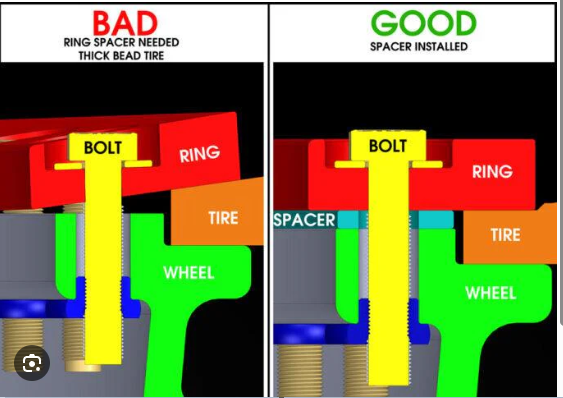
When the tire bead is unusually thick, the beadlock ring may bottom out against the wheel before it can fully compress the bead. This leads to several issues:
-
The ring fails to clamp the tire bead properly;
-
Torque readings on the bolts become misleading—specifications may appear met, but actual clamping force is insufficient;
-
The tire bead may not be fully secured, creating a risk of debeading during off-road use.
The takeaway: proper clamping is about more than just tightening bolts to spec—it’s about ensuring the bead is physically compressed and locked in place.
How a Beadlock Spacer Solves the Problem
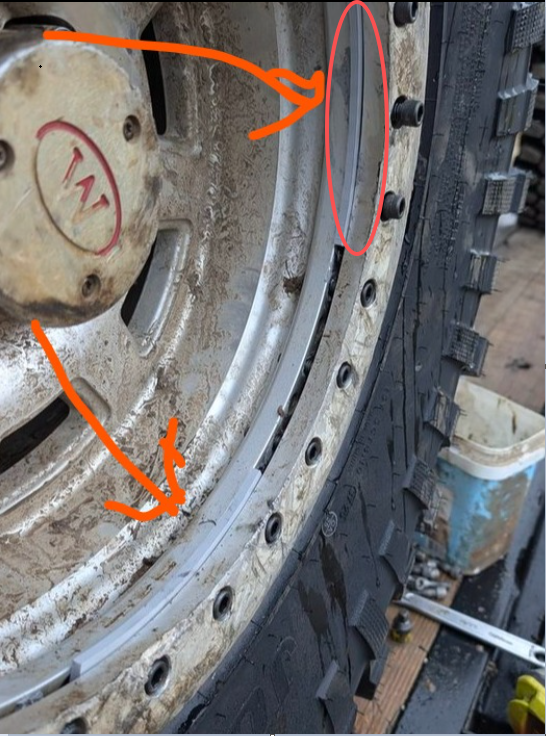
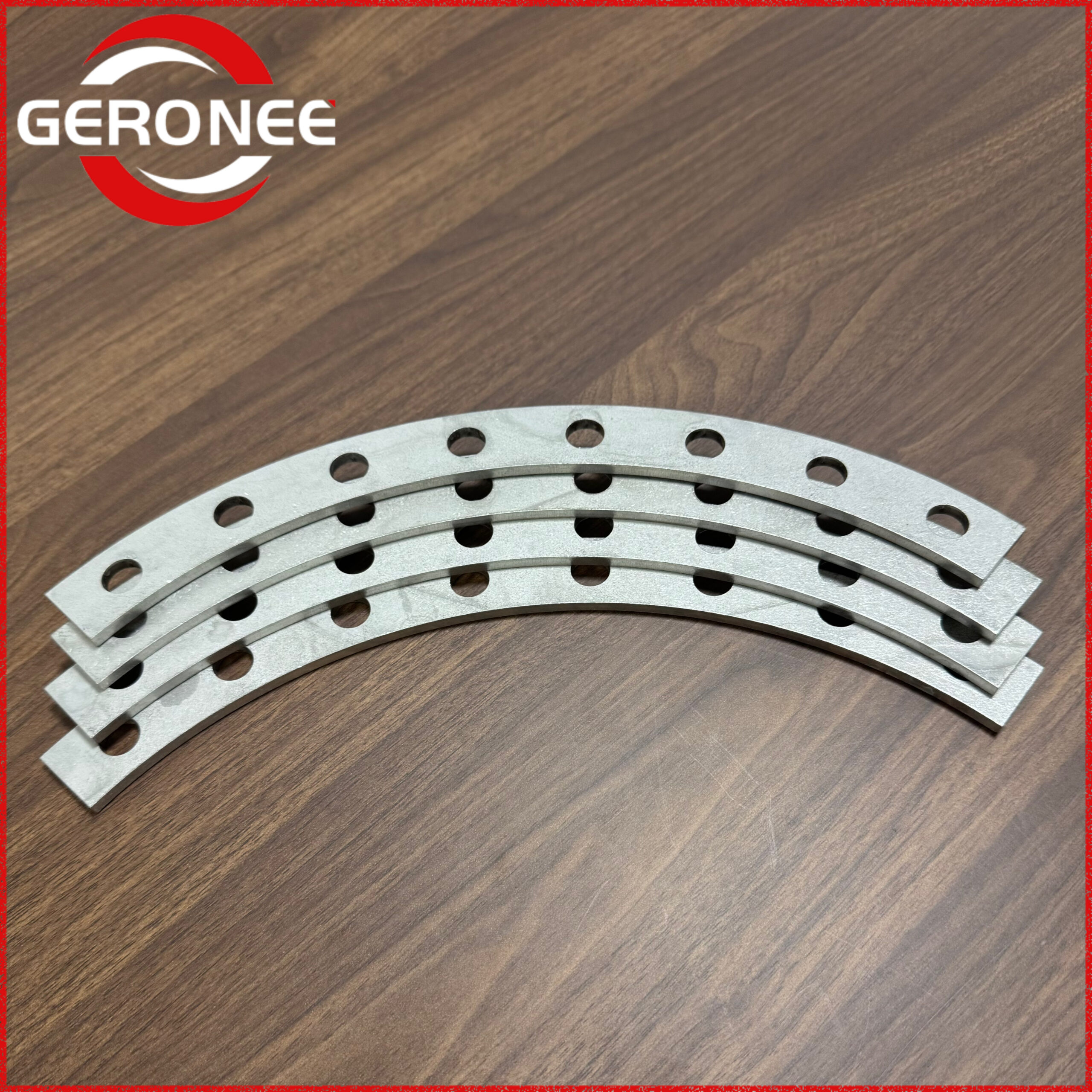
A beadlock spacer is installed beneath the beadlock ring to add extra clamping height, compensating for the increased thickness of the tire bead.
With the spacer correctly installed:
-
The ring securely clamps the tire bead;
-
Proper bolt engagement and thread depth are maintained;
-
Clamping force is distributed evenly around the entire circumference of the wheel;
-
The tire is positively locked in place, eliminating the risk of bead separation.
Conclusion
A safe and reliable beadlock installation requires more than just following torque specs—it requires understanding your tire’s bead thickness and determining whether a spacer is necessary for a secure fit.
It’s not about tightening harder. It’s about clamping correctly. A properly executed installation ensures that your beadlock system performs exactly as it should, giving you the confidence to tackle the toughest trails with peace of mind.